
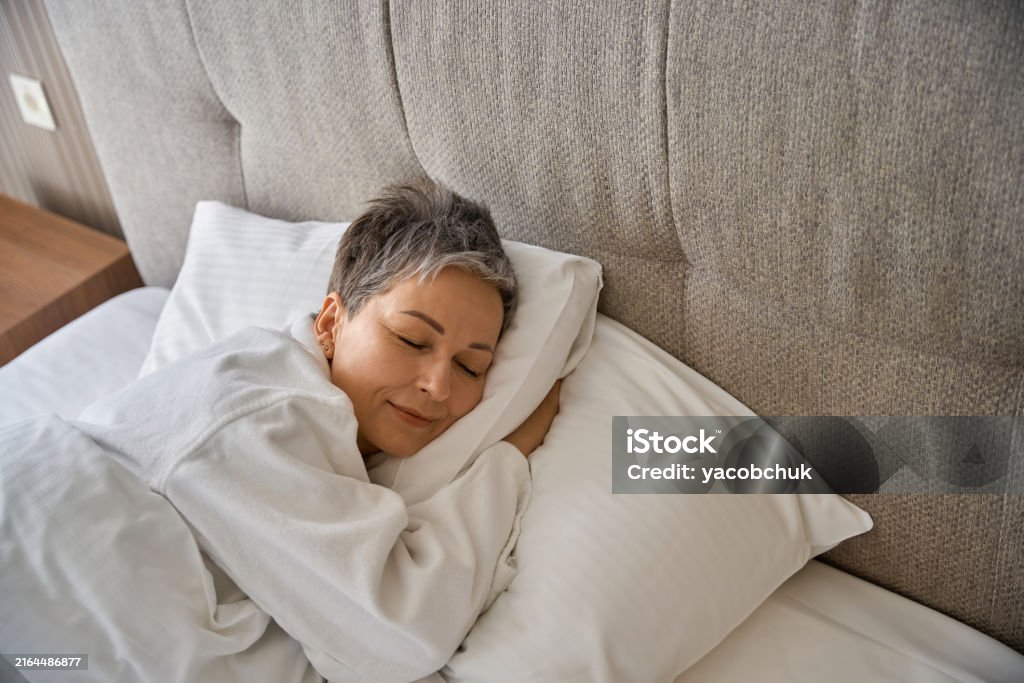
We obsess over diet. We push ourselves to exercise. But we treat sleep as optional – something to cut when life gets busy. That’s a mistake. Sleep is not a luxury. It is a biological necessity, just like eating and breathing.
What Happens When You Sleep?
While you rest, your body is hard at work. Sleep affects nearly every system in your body.
| Sleep Function | What It Does |
|---|---|
| Brain cleaning | The glymphatic system flushes out toxic waste products, including beta-amyloid (linked to Alzheimer’s) |
| Memory consolidation | The brain transfers short-term memories into long-term storage |
| Hormone regulation | Growth hormone is released; cortisol (stress hormone) is lowered |
| Immune function | Cytokines (infection-fighting proteins) are produced |
| Metabolic health | Blood sugar regulation and appetite hormones (leptin, ghrelin) are balanced |
The Cost of Chronic Sleep Deprivation
Getting less than 7 hours per night on a regular basis has consequences that go far beyond feeling tired:
- Cognitive decline: Reaction time slows to the level of being legally drunk after 17-19 hours awake
- Weight gain: Sleep loss increases ghrelin (hunger hormone) and decreases leptin (fullness hormone)
- Heart disease: Short sleep is linked to hypertension, heart attack, and stroke
- Mental health: Insomnia doubles the risk of developing depression
- Immune weakness: One night of poor sleep reduces natural killer cell activity by 70%
How Much Sleep Do You Really Need?
| Age Group | Recommended Hours |
|---|---|
| Adults (18-64) | 7-9 hours |
| Older adults (65+) | 7-8 hours |
| Teenagers | 8-10 hours |
| School-age children | 9-12 hours |
Practical Strategies for Better Sleep
You don’t need expensive gadgets or supplements. Start with these evidence-based habits, known as sleep hygiene:
1. Keep a consistent schedule
Go to bed and wake up at the same time every day – even on weekends. This anchors your circadian rhythm.
2. Get morning light
Expose your eyes to natural sunlight within 30 minutes of waking. This sets your internal clock and helps you fall asleep later.
3. Create a wind-down routine
Dim lights, put away screens (blue light suppresses melatonin), and do something calming for 30-60 minutes before bed.
4. Make your bedroom a sleep cave
Cool (65-68°F / 18-20°C), dark (blackout curtains), and quiet (white noise if needed). Your bed is for sleep and intimacy only – not work or scrolling.
5. Watch the clock
If you can’t fall asleep after 20 minutes, get up and do something boring in dim light. Return to bed only when sleepy. This prevents your brain from associating the bed with frustration.
A Common Myth Debunked
“I can train myself to need less sleep.”
False. No amount of willpower changes your biology. A tiny fraction of people have a rare genetic mutation that allows them to thrive on 6 hours. For everyone else, chronic short sleep accumulates a “sleep debt” that impairs performance – often without you realizing it because you adapt to feeling tired as normal.
The Bottom Line
If you want to improve your health, start with sleep. Better sleep makes healthier eating easier. It improves workout recovery. It stabilizes your mood. It sharpens your thinking. Before you buy another supplement or try another diet, fix your sleep. It’s the closest thing to a free, universal health upgrade that exists.