

Walk into any college lecture hall. You will see students highlighting entire pages, typing furiously, and color-coding every sentence. They leave class with beautiful notebooks and no memory of what they just wrote.
They have confused the act of recording with the act of learning.
The Illusion of Competence
Psychologists have studied this for decades. When you highlight a sentence, your brain feels productive. You see the yellow mark and think: I have learned this. You have not. You have only identified it.
The same is true for rereading, summarizing, and typing verbatim notes. These methods feel effective. Research shows they are among the least effective ways to learn.
| Study Method | Feels Like | Actually Works |
|---|---|---|
| Highlighting | Productive | Almost zero |
| Rereading | Familiar | Minimal |
| Typing verbatim notes | Comprehensive | Minimal |
| Summarizing | Understanding | Low |
| Self-testing | Hard | Very high |
| Explaining to someone else | Challenging | Very high |
The methods that feel hardest are the ones that work best. The methods that feel easiest are almost useless.
Why Highlighting Fails
When you highlight a sentence, two things happen.
First, you stop thinking. The physical act of highlighting replaces the mental act of processing. Your brain outsources the work to your hand.
Second, you create familiarity without understanding. The next time you see the highlighted sentence, your brain recognizes it. Recognition feels like memory. It is not. You can recognize a sentence without understanding what it means or how to use it.
This is the illusion of competence. You think you know the material because it looks familiar. Then you take the test and discover you know nothing.
The Science of Real Learning
Real learning requires retrieval practice. You must pull information out of your brain, not push it in. Every time you successfully retrieve a memory, you strengthen it. Every time you struggle to retrieve it, you strengthen it even more.
| Activity | Retrieval? | Learning Effect |
|---|---|---|
| Highlighting | No | None |
| Rereading | No | None |
| Typing notes | No | Minimal |
| Closing the book and writing what you remember | Yes | High |
| Teaching a friend | Yes | Very high |
| Taking a practice test | Yes | Highest |
The struggle is the learning. If it feels easy, you are not learning.
The One Change That Transforms Learning
Stop taking normal notes. Instead, use the Cornell Method or its simpler cousin: the Question/Evidence/Conclusion method.
How it works:
Divide each page into three sections.
| Section | What You Write |
|---|---|
| Question (left side) | After class, write one question that the material answers |
| Evidence (large right side) | During class, write only key facts, not every word |
| Conclusion (bottom) | After class, write one sentence summarizing the main point |
Then, most importantly: study by covering the Evidence and trying to answer the Question.
If you can answer the question in your own words, you know the material. If you cannot, you need to review only that small section — not the whole chapter.
The 24-Hour Rule
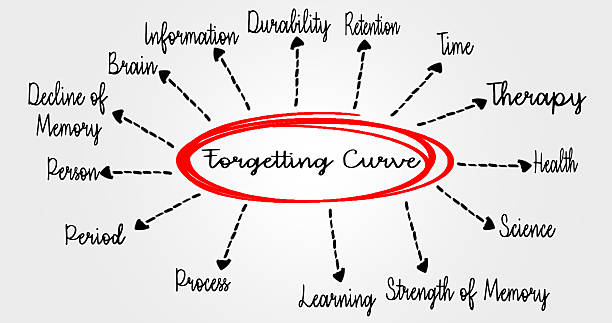
Your brain forgets rapidly. Within 24 hours of learning something new, you will forget about 50% of it unless you actively review it.
Use this schedule:
| Time After Learning | Action |
|---|---|
| 1 hour | Close the book. Write down everything you remember. Check accuracy. |
| 24 hours | Review what you wrote. Fill in gaps. |
| 1 week | Teach the material to someone (or pretend to). |
| 1 month | Take a practice test. |
Each review takes less time than the one before. After four reviews, the material moves from short-term to long-term memory. You will remember it for years, not days.
What Great Students Do Differently
| Average Student | Great Student |
|---|---|
| Highlights as they read | Reads first, then highlights only key points |
| Takes verbatim notes | Listens, then writes summary in own words |
| Rereads the chapter | Closes the book and self-tests |
| Studies the night before | Studies in short sessions over many days |
| Studies alone | Explains material to study group |
| Marks everything as important | Marks only what they cannot recall |
The Bottom Line
Your notebook is not your brain. Writing something down does not mean you have learned it. Highlighting does not create memory. Rereading does not build understanding.
The only thing that works is retrieval. Close the book. Look away from the screen. Ask yourself: what did I just learn? Struggle to remember. Fail. Check your notes. Try again.
That struggle is not a sign that you are bad at studying. It is the only sign that you are actually learning.
Stop highlighting. Start retrieving.