
By Dr. Lisa Wang — Not a real doctor. Just someone who was tired of being told to wake up earlier.
Last updated: May 2026
You have heard the advice. Successful people wake up at 5 AM. The early bird gets the worm. Early to bed, early to rise makes you healthy, wealthy, and wise.
You try to follow it. You set your alarm for 5:30 AM. You wake up. You feel terrible. You are groggy all morning. By 2 PM, you crash. You wonder what is wrong with you.
Nothing is wrong with you. You are just not a morning person.
And that is not a character flaw. It is biology.
What Is Your Circadian Rhythm?
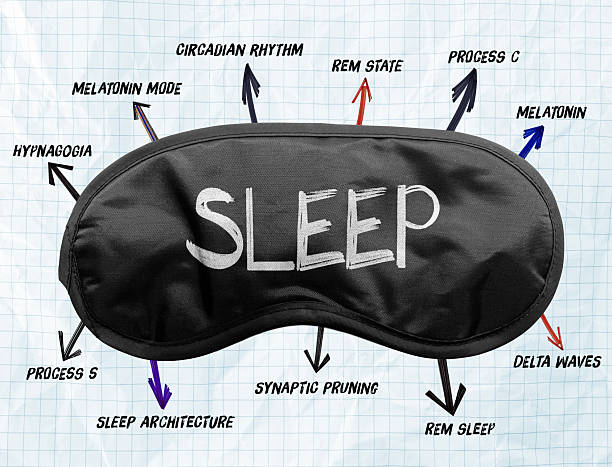
Your circadian rhythm is your body’s internal clock. It runs on a roughly 24-hour cycle. It tells you when to wake up, when to eat, when to feel alert, and when to sleep.
This clock is controlled by your brain. It responds to light, temperature, and other environmental cues. It is not something you can simply override by trying harder.
Your circadian rhythm determines your chronotype. Your chronotype is whether you are a morning person, an evening person, or somewhere in between.
The Three Chronotypes
| Chronotype | % of Population | Wake Up Naturally | Peak Energy | Best Sleep Time |
|---|---|---|---|---|
| Morning lark | ~25% | 5:00-6:30 AM | Morning | 9:00-10:00 PM |
| Night owl | ~25% | 8:30-10:00 AM | Evening | 12:00-2:00 AM |
| Intermediate | ~50% | 6:30-8:30 AM | Afternoon | 10:00-12:00 AM |
Most people are in the middle. They can adapt to either schedule with some effort.
But about one in four people are extreme morning larks. And about one in four are extreme night owls.
If you are a night owl, forcing yourself to wake up at 5 AM is not discipline. It is fighting your biology.
What Determines Your Chronotype?
Genetics play a large role.
Your chronotype is about 50% heritable. If your parents are night owls, you are likely to be one too. There is a genetic mutation that affects the length of your internal clock.
Age changes your chronotype.
Young children are often morning people. Teenagers naturally shift to being night owls (this is biological, not rebellion). Adults in their 20s and 30s are often intermediate. Older adults shift back toward being morning people.
Light exposure matters.
Your brain’s clock is set by light. Bright light in the morning shifts your clock earlier. Bright light at night shifts your clock later. You can influence your chronotype by managing light exposure. But you cannot completely change your biology.
Why Forcing Yourself to Be a Morning Person Backfires
| If You Are a Night Owl Waking Up Early | What Happens |
|---|---|
| Your brain is still producing melatonin | You feel groggy and confused |
| Your core body temperature is still low | You feel cold and sluggish |
| Your cortisol is not yet at its peak | You have no natural energy |
| Your reaction time is slower | You are more likely to make mistakes |
You are forcing your body to perform when it is not ready. That is like asking someone to run a race in the middle of the night. They can do it. They will not do it well.
How to Work With Your Chronotype
If you are a morning lark:
- Do your hardest work in the morning
- Schedule meetings and important tasks before noon
- Go to bed early. Do not fight it.
- You will be tired by evening. That is normal.
If you are a night owl:
- Do not force yourself to wake up at 5 AM
- Schedule your hardest work in the afternoon or evening
- Find a job that allows flexible hours if possible
- Do not feel guilty about sleeping later. It is biology.
If you are in the middle:
- You have flexibility. You can adapt to either schedule.
- Pay attention to when you naturally feel most alert.
- Protect that time for important work.
What If You Have to Wake Up Early (Work, School, Kids)?
You cannot always follow your natural rhythm. Life gets in the way.
If you are a night owl who has to wake up early, here is how to make it less painful.
Get bright light immediately. As soon as you wake up, go outside or turn on bright lights. Light tells your brain to stop producing melatonin.
Do not hit snooze. That fragments your sleep. You wake up more tired. Get up at the first alarm.
Have caffeine, but wait 60-90 minutes. Drinking coffee immediately after waking blocks the natural cortisol spike that helps you wake up. Wait an hour. Then drink coffee.
Get light in the morning on weekends too. Sleeping in on weekends shifts your clock later. Monday morning becomes harder. Keep your wake time consistent within an hour or two.
Be patient. Your body can shift slightly over time. But it takes weeks or months. Do not expect to become a morning person overnight.
What You Cannot Change
You cannot turn a night owl into a morning lark. You can shift your schedule by an hour or two with consistent effort. You cannot shift by four or five hours.
If you have tried for years and still hate waking up early, you are not lazy. You are not undisciplined. You are just a night owl in a morning lark world.
The Bottom Line
Morning people are not better than night people. They are just different.
Your chronotype is biology. Not a choice. Not a moral failing.
Stop trying to be someone you are not. Work with your body, not against it. You will be happier, healthier, and more productive.
And to the night owls reading this: go back to sleep. You deserve it.
About the author: Lisa Wang is a night owl. She spent years feeling guilty about waking up late. She stopped. Now she works in the evening and sleeps in the morning.
This article is for informational purposes. Sleep needs vary by person. Work with your biology, not against it.