
By Mark Chen — Was sore after every workout. Thought it meant he was getting stronger. Learned the difference between good sore and bad sore.
Last updated: June 2026
You finish a workout. The next day, your muscles hurt. You feel proud. You think the soreness means you worked hard. You think it means you are getting stronger.
Sometimes this is true. Sometimes it is not.
Understanding muscle soreness helps you train smarter. It helps you avoid injury. It helps you know when to push through and when to rest.
What Is DOMS?
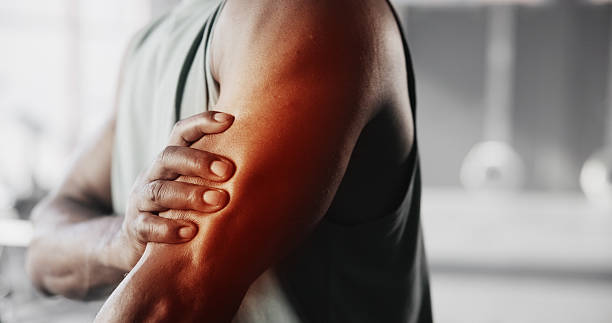
DOMS stands for Delayed Onset Muscle Soreness. It is the soreness you feel 12-24 hours after exercise. It peaks at 24-72 hours. Then it fades.
DOMS happens when you do exercise your body is not used to. New movements. Heavier weights. Longer runs. More intensity.
During exercise, you create tiny tears in your muscle fibers. Your body repairs these tears. The repair process makes the muscle stronger. The soreness is a side effect.
Good Sore vs. Bad Sore
| Good Sore (DOMS) | Bad Sore (Injury) | |
|---|---|---|
| Sensation | Dull ache | Sharp, stabbing, or throbbing |
| Timing | 12-24 hours after exercise | During exercise or immediately after |
| Location | Throughout the muscle | One specific spot (joint, tendon, bone) |
| Movement | Feels better with light movement | Feels worse with any movement |
| Symmetry | Both sides of body (if exercise was balanced) | One side only |
| Duration | 2-4 days | More than a week |
Good sore is uncomfortable. Bad sore is painful. Learn the difference.
Why You Get Sore
New activities.
You try a new exercise. Your body is not adapted. You will get sore. This is normal.
Eccentric movements.
Movements that lengthen the muscle under tension cause more soreness. Lowering a weight. Running downhill. Lowering into a squat.
Increased intensity.
You lift heavier. Run faster. Go longer. Your body is not ready. You will get sore.
What Soreness Does NOT Mean
It does not mean you had a good workout.
You can have a great workout and feel no soreness. You can have a terrible workout and feel very sore. Soreness is not a measure of workout quality.
It does not mean you are getting stronger.
Strength gains come from recovery, not from soreness. You can get stronger without ever being sore.
It does not mean you should stop exercising.
Light movement helps soreness. Do not sit still. Walk, stretch lightly, do easy cardio.
How to Treat DOMS
| Treatment | Effectiveness |
|---|---|
| Light movement (walking, easy cycling) | Helps. Increases blood flow. |
| Gentle stretching | Helps a little. Do not push. |
| Foam rolling | May help temporarily. Evidence is mixed. |
| Ice bath | No evidence for DOMS. May actually reduce muscle growth. |
| Anti-inflammatory drugs (ibuprofen) | Reduces pain but may reduce muscle growth. Use sparingly. |
| Protein intake | Helps repair muscles. Eat protein after exercise. |
| Sleep | Most important. Muscles repair during sleep. |
| Massage | Helps a little. Feels good. |
Time is the only real cure. DOMS goes away in 2-4 days.
How to Prevent DOMS
Start slowly.
If you are new to exercise, start with lower intensity and volume. Your body needs time to adapt.
Progress gradually.
Do not increase weight or mileage by more than 10% per week.
Warm up properly.
Light cardio + dynamic stretching prepares your muscles for work.
Cool down.
Light activity after exercise helps clear metabolic waste.
Stay hydrated.
Dehydration makes soreness worse.
When to See a Doctor
Go to a doctor if:
- Pain is sharp, not dull
- Pain started during exercise, not the next day
- You cannot move the area normally
- There is swelling or bruising
- Dark urine (sign of rhabdomyolysis, a serious condition)
- Pain lasts more than a week
Do not “push through” these. You will make it worse.
A Special Warning: Rhabdomyolysis
Rhabdomyolysis (rhabdo) is a serious condition where muscle tissue breaks down and releases harmful proteins into your bloodstream. It can cause kidney damage.
Symptoms of rhabdo:
- Extreme muscle pain (worse than normal DOMS)
- Dark brown or tea-colored urine
- Severe weakness
- Swelling in the affected muscles
Rhabdo is rare. But it happens most often to people who do excessive exercise after a long break. Do not go from zero to hero in one workout.
If you have dark urine after a hard workout, go to the emergency room.
What to Do Tomorrow
| If You Have | What to Do |
|---|---|
| Mild to moderate DOMS | Light movement. Walk. Stretch gently. |
| Severe DOMS (can barely walk) | Rest today. Light movement tomorrow. |
| Sharp pain | Stop. See a doctor. |
| Dark urine | Go to the emergency room. |
The Bottom Line
Muscle soreness is normal. It means you did something your body is not used to. It usually goes away in a few days.
But soreness is not the goal. Progress is the goal. You can progress without being sore.
Listen to your body. Learn the difference between good sore and bad sore. Train consistently, not brutally.
Your muscles will thank you.
About the author: Mark Chen used to chase soreness. He thought it meant growth. Now he knows better. He trains smart, not just hard.
This article is for informational purposes. If you are unsure about an injury, see a doctor.